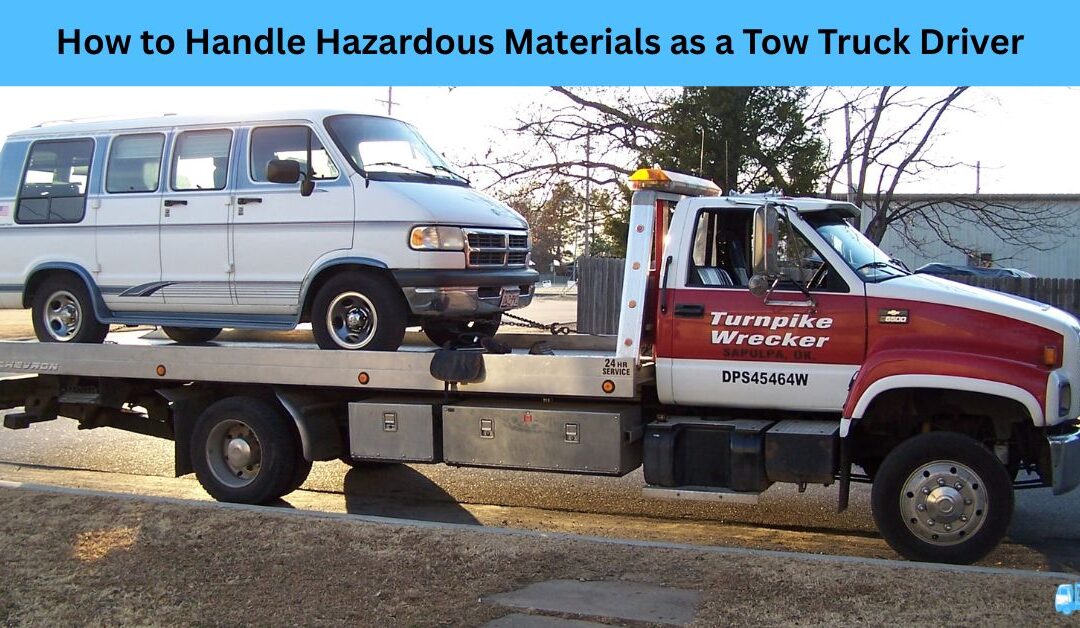
Tow truck drivers often deal with unpredictable and challenging situations, including accidents involving hazardous materials. Whether it’s leaking fuel, spilled oil, or a damaged battery, encountering hazardous substances on the job is a serious concern. Knowing how to handle these materials safely and legally is essential to protecting yourself, the public, and the environment. Tow truck operators play a key role in the first response to many incidents, and their approach can make a big difference in how the situation is managed.
Recognizing Hazardous Materials on the Scene
The first step in handling hazardous materials is knowing how to recognize them. Common hazards in towing scenarios include gasoline, diesel fuel, motor oil, coolant, transmission fluid, battery acid, and debris from airbags or chemicals inside damaged vehicles. Drivers must be trained to quickly identify these materials based on smell, color, container labels, or signs like smoking or bubbling liquids. Even without clear warning signs, a collision involving commercial trucks or vehicles carrying cargo should immediately raise suspicion. Taking a cautious approach and assuming the presence of hazardous material is safer than underestimating the danger.
Ensuring Personal Safety and Proper Gear Use
Once a potential hazard is identified, personal safety becomes the top priority. Tow truck drivers should always wear the appropriate personal protective equipment (PPE) for the job. This may include gloves, goggles, safety boots, and high-visibility clothing. In more serious incidents, respiratory protection or chemical-resistant suits may be necessary. Being prepared with the right safety gear not only protects the driver from burns, toxic fumes, or skin irritation but also ensures that cleanup and towing can be handled safely. It’s also important to maintain a safe distance until the nature of the spill or substance is fully understood.
Following Legal and Environmental Guidelines
Handling hazardous materials isn’t just a safety concern—it’s also a legal responsibility. Tow truck drivers must be aware of the regulations in their state or territory regarding the transport and cleanup of hazardous waste. In many cases, only licensed hazardous materials teams are authorized to clean or remove dangerous substances. If a spill occurs, drivers should avoid attempting to contain or clean it unless properly trained and equipped. Instead, the correct procedure is to notify emergency services and wait for a qualified hazmat team. Environmental laws also dictate how and where contaminated vehicles can be transported. Ensuring proper documentation and following official procedures helps avoid fines and liability.
Communicating Clearly With Authorities and Customers
In a hazardous situation, clear and calm communication is essential. Tow truck drivers must report the presence of hazardous materials to dispatch, emergency responders, and sometimes even environmental protection agencies, depending on the severity. Accurate descriptions of the scene help authorities respond appropriately. If a customer’s vehicle is leaking fuel or contains damaged batteries, they should be informed in a professional and reassuring way. Keeping the client updated while taking control of the situation reinforces trust and reflects well on the company’s commitment to safety. Good communication also ensures everyone stays clear of danger until the area is secure.
Being Prepared Through Training and Readiness
Preparation is the best defense against hazardous material accidents. Every tow truck driver should receive training in how to respond to chemical spills, flammable leaks, and other dangerous situations. Many jurisdictions offer hazardous materials handling certifications, and some clients may require them before contracting services. Vehicles should also be equipped with basic spill kits, absorbent materials, and fire extinguishers suitable for chemical fires. Regular drills and safety briefings help keep the team alert and ready. Investing time in preparation can prevent injury, reduce downtime, and protect the company from legal trouble in the event of an incident.
Conclusion
Dealing with hazardous materials is a serious part of the towing profession that requires caution, knowledge, and preparation. By recognizing potential dangers, using proper safety equipment, adhering to legal guidelines, communicating effectively, and staying trained, tow truck drivers can protect themselves and others in high-risk situations. As the first to arrive at many accident scenes, tow operators are not only rescuers—they are also key players in ensuring environmental safety and public health. Handling hazardous materials the right way reflects professionalism and responsibility, making a strong impression on clients and the community alike.
Northern Tow Trucks
620 Canning St
Carlton North VIC 3054
(03) 7064 2500