Tow trucks play a critical role in maintaining public safety, legal order, and traffic regulation through vehicle impoundment services. Impound towing is far more than simply transporting a vehicle; it is a legally regulated process that involves coordination with law enforcement, local authorities, and sometimes private property owners. Whether it’s removing illegally parked cars, abandoned vehicles, or cars involved in legal disputes, tow truck operators must execute these duties with professionalism, fairness, and adherence to the law. Understanding their responsibilities during impoundment operations is essential for maintaining credibility and preventing liability.
Understanding Legal Grounds for Vehicle Impoundment
Vehicle impoundment typically occurs when a car violates laws or ordinances. Common reasons include illegal parking, blocking driveways, expired registration, involvement in crimes, or being abandoned on public property. Tow operators must only impound vehicles under legal instruction, often from police, councils, or authorized property managers. They must verify official orders and documentation before towing. Unauthorized towing can lead to serious legal consequences. Operators must also follow jurisdictional regulations about reporting the impound, recording vehicle condition, and notifying the owner of the impound location. Legal compliance ensures fairness, prevents disputes, and protects the towing company from liability.
The Impound Towing Process and Operator Responsibilities
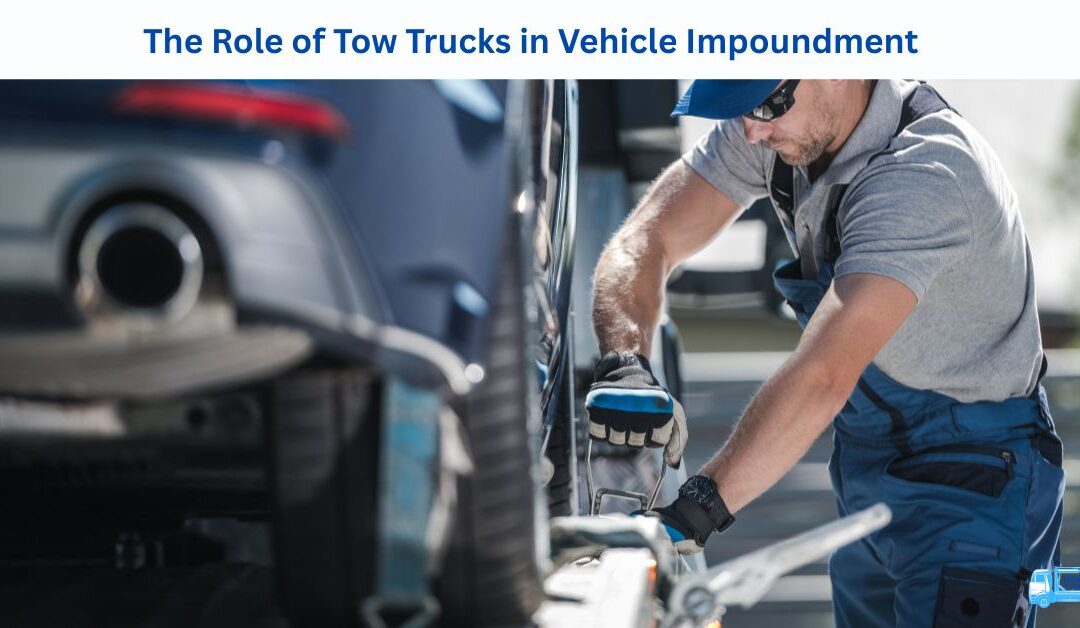
Once authorized, the operator must document the vehicle’s condition before towing. Photographs, time stamps, and written reports are crucial for transparency. Tow trucks used for impoundment often include wheel lifts or flatbeds to safely move vehicles from restricted areas. Care must be taken to avoid damage, even if the vehicle has violated laws. The vehicle is then secured and transported to an authorized impound lot or holding facility. Upon arrival, the operator must log vehicle details such as make, model, plate number, and visible damages. The chain of custody is maintained meticulously to avoid disputes over responsibility. This structured process ensures that impoundments remain professional and lawful.
Working with Law Enforcement and Property Owners
Tow truck companies often work closely with local police, parking authorities, and property owners. These partnerships require reliability, prompt response times, and respect for legal procedures. Law enforcement may request impound towing during arrests, accident scenes, or traffic enforcement operations. Private property owners may hire towing services to remove unauthorized vehicles blocking business entrances or residential parking. In such cases, operators must display visible signage and follow trespass laws to avoid illegal towing accusations. Clear communication and accurate documentation build trust with authorities, reinforcing the towing company’s role as a responsible community partner.
Owner Retrieval and Vehicle Release Procedures
Impound towing does not end when a vehicle reaches the lot. Owners have legal rights to reclaim their vehicle upon paying fees and satisfying legal requirements. Tow companies must provide clear information about impound location, retrieval hours, and documentation needed for release. Proper identity verification and fee collection are necessary to prevent fraud. Some owners may dispute the tow, creating emotionally tense situations. In such moments, professionalism and calm communication are essential. Transparency during the release process reduces conflict and demonstrates ethical business practices. Maintaining accurate records ensures clarity in billing and supports legal accountability.
Challenges and Ethical Considerations in Impound Towing
Impound towing can be controversial, especially when owners feel wronged. Operators must balance legal duty with empathy. Aggressive or disrespectful treatment can harm the company’s reputation. Additionally, abandoned or seized vehicles may deteriorate over time, raising questions about storage conditions, disposal, or auction practices. Ethical tow companies ensure secure storage, clear owner notification, and compliance with regulations governing vehicle sales. Proper training in conflict resolution, customer communication, and legal procedures is essential. By handling impound services with integrity, towing companies reinforce their crucial role in urban management and community safety.
Northern Tow Trucks
620 Canning St
Carlton North VIC 3054
(03) 7064 2500