Towing damaged vehicles is one of the most delicate and demanding tasks in the towing industry. Vehicles involved in accidents, breakdowns, or mechanical failures often have compromised structures, leaking fluids, or non-functional components. Handling these situations incorrectly can cause further damage, create safety hazards, or lead to liability issues. Professional towing requires skill, experience, and careful decision-making to ensure that damaged vehicles are recovered safely and transported without worsening their condition. Understanding the correct approach is essential for protecting the vehicle, the operator, and everyone on the road.
Assessing the Condition of a Damaged Vehicle
The first and most critical step in towing a damaged vehicle is conducting a thorough assessment. Before any equipment is attached, tow truck operators must evaluate the vehicle’s overall condition. This includes checking visible damage to the frame, wheels, suspension, and body panels. Vehicles with bent frames, crushed axles, or collapsed suspensions require special handling techniques to avoid additional stress during towing.
Operators also need to identify fluid leaks such as oil, coolant, fuel, or brake fluid. Leaking fluids not only pose environmental risks but can also make the towing area slippery and unsafe. Electrical damage should also be considered, especially in modern vehicles where airbags may not have deployed or electronic systems may still be active. A proper assessment helps operators choose the safest towing method and prevents costly mistakes during recovery.
Choosing the Right Towing Method for Damaged Vehicles
Selecting the correct towing method is essential when dealing with damaged vehicles. Flatbed towing is often the safest option, especially for vehicles with severe damage, locked wheels, or compromised drivetrains. By lifting the entire vehicle off the ground, flatbed towing eliminates the risk of further damage caused by dragging or uneven weight distribution.
Wheel-lift towing may be suitable for lightly damaged vehicles, but only if the remaining wheels can roll freely and the structure is stable. In some cases, dollies are used to lift damaged wheels and prevent stress on axles or transmissions. Operators must consider the type of damage, vehicle weight, and road conditions before making a decision. Choosing the wrong method can result in additional repairs and liability issues, making proper selection a key responsibility.
Securing Damaged Vehicles Safely for Transport
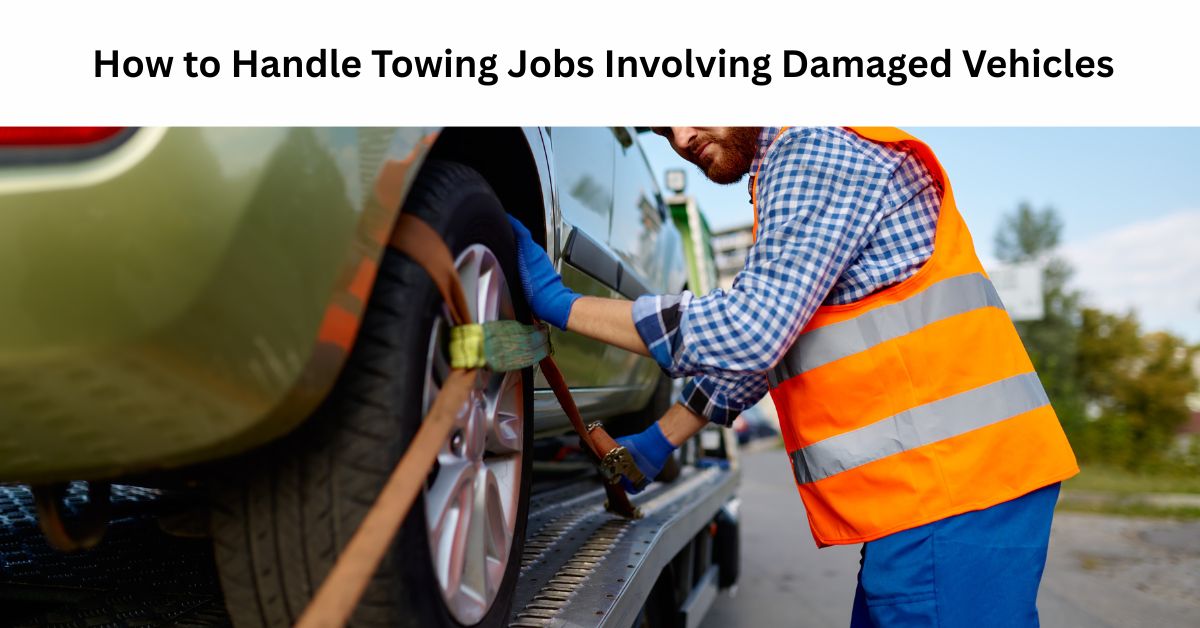
Once the appropriate towing method is selected, securing the vehicle properly becomes the next priority. Damaged vehicles often have weakened anchor points, making traditional tie-down methods risky. Operators must identify strong structural areas that can safely support straps and chains without causing further harm.
Extra care is required when dealing with loose panels, broken glass, or detached parts. These components should be secured or removed to prevent them from falling off during transport. Winching damaged vehicles onto a flatbed must be done slowly and evenly to avoid sudden shifts in weight. Proper load distribution ensures vehicle stability and prevents movement during transit. Securement is not just about protecting the vehicle but also about ensuring road safety for other drivers.
Managing Safety Risks During Accident Recoveries
Towing damaged vehicles often occurs at accident scenes, which are inherently dangerous environments. Operators must remain alert and follow strict safety procedures to protect themselves and others. Traffic control is critical, especially on highways or busy roads where passing vehicles pose a constant threat. Using warning lights, cones, and high-visibility clothing helps create a safer working zone.
Damaged vehicles may be unstable, especially if overturned or positioned on uneven ground. Operators must be cautious of sudden shifts that could cause vehicles to roll or collapse further. Fuel leaks and damaged batteries increase the risk of fire, requiring operators to avoid sparks and open flames. Maintaining clear communication with emergency responders and law enforcement ensures coordinated recovery efforts and minimizes confusion at the scene.
Preventing Further Damage and Legal Complications
One of the main goals when towing damaged vehicles is preventing additional damage. Customers expect their vehicles to be handled with care, even after an accident. Improper towing techniques can worsen existing damage, leading to disputes, insurance complications, and reputational harm for towing companies. Documenting the vehicle’s condition before towing is an important practice that protects both the operator and the customer.
Photographs and written notes provide clear records of pre-existing damage, helping avoid misunderstandings later. Operators should also follow local regulations and insurance requirements related to accident recovery and vehicle transport. Professional conduct, careful handling, and transparent documentation demonstrate responsibility and build trust. By focusing on damage prevention and compliance, towing companies protect their business while delivering reliable service.