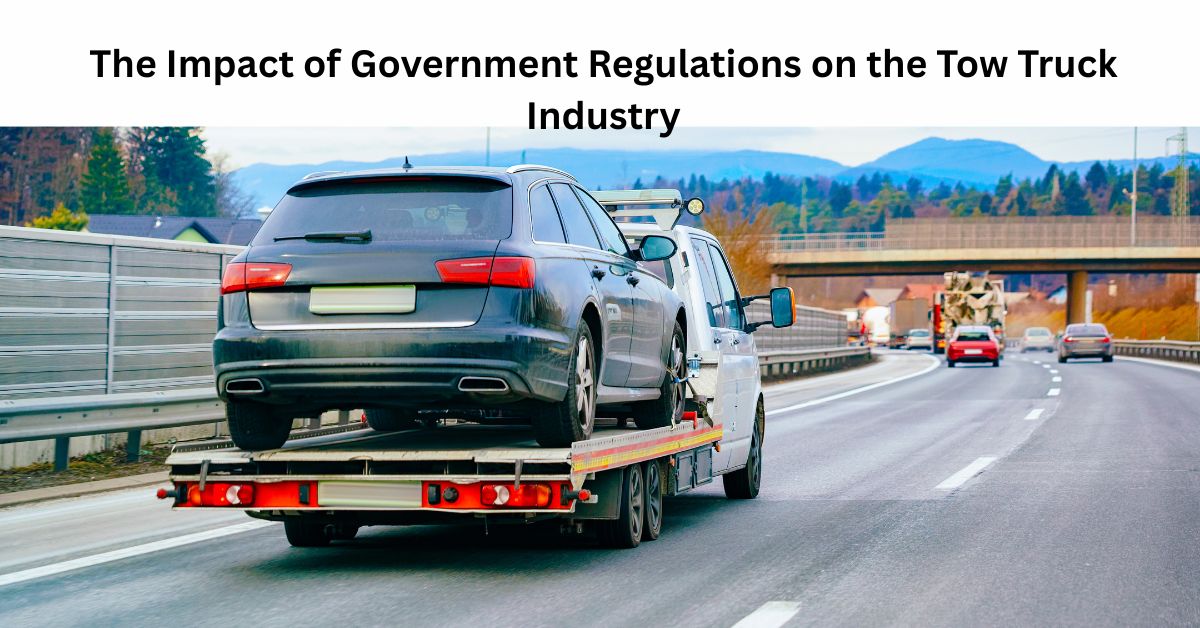
Government regulations play a significant role in shaping the tow truck industry. From safety standards and licensing requirements to pricing controls and environmental rules, regulations influence how towing companies operate on a daily basis. While these laws are designed to protect drivers, operators, and the public, they also create challenges and responsibilities for towing businesses. Understanding the impact of government regulations is essential for ensuring compliance, maintaining credibility, and building a sustainable towing operation.
Licensing and Certification Requirements
One of the most important regulatory areas in the tow truck industry involves licensing and certification. Tow truck operators are typically required to hold specific licenses that confirm they are trained and qualified to perform towing and recovery tasks. These requirements vary by region but often include commercial driver’s licenses, operator certifications, and background checks.
Licensing regulations help ensure that only trained professionals handle vehicle recovery, reducing the risk of accidents and damage. For towing companies, maintaining compliance means investing in proper training programs and keeping certifications up to date. While this can increase operational costs, it also raises industry standards and builds public trust. Companies that meet licensing requirements are more likely to be viewed as reliable and professional by customers and authorities alike.
Safety Standards and Equipment Regulations
Safety regulations directly affect the equipment and procedures used in towing operations. Governments often mandate safety features such as warning lights, reflective markings, braking systems, and load-securement standards. These regulations are designed to protect tow truck operators working on busy roads as well as other motorists passing by recovery scenes.
Compliance with safety standards requires regular equipment inspections and maintenance. Tow trucks must meet specific weight limits, towing capacities, and operational guidelines. Although these requirements can increase costs for towing companies, they significantly reduce the risk of accidents and equipment failure. By enforcing safety standards, regulations contribute to safer roads and more reliable towing services.
Pricing Controls and Consumer Protection Laws
Pricing regulations are another major aspect of government involvement in the towing industry. In many areas, authorities set maximum towing fees or require transparent pricing to prevent overcharging. Consumer protection laws often mandate clear communication regarding costs, storage fees, and additional services.
These regulations aim to protect drivers during stressful situations such as accidents or breakdowns. For towing companies, pricing controls can limit profit margins but also create a level playing field by preventing unfair competition. Transparent pricing builds customer confidence and reduces disputes, ultimately benefiting reputable towing businesses that operate ethically.
Environmental and Emissions Regulations
Environmental regulations are becoming increasingly relevant in the tow truck industry. Governments are implementing emissions standards and fuel efficiency requirements to reduce environmental impact. Tow truck fleets may be required to meet specific emissions limits or transition to cleaner fuel options over time.
These regulations encourage towing companies to invest in modern vehicles and sustainable practices. While upgrading fleets can be costly, it also leads to long-term benefits such as improved fuel efficiency and reduced maintenance expenses. Environmental compliance demonstrates social responsibility and positions towing companies as forward-thinking businesses in a changing transportation landscape.
Legal Accountability and Industry Reputation
Government regulations also define legal responsibilities and accountability within the towing industry. Laws governing vehicle impoundment, accident recovery, and private property towing establish clear boundaries for towing operations. Failure to comply can result in fines, license suspension, or legal action.
Strict regulatory oversight helps protect drivers from unethical practices and ensures towing companies operate within defined legal frameworks. For reputable businesses, compliance enhances industry reputation and strengthens relationships with law enforcement and local authorities. While regulations may appear restrictive, they ultimately contribute to a more professional and trustworthy towing industry.
Conclusion
Government regulations have a profound impact on the tow truck industry, influencing safety standards, pricing structures, environmental practices, and legal accountability. Although compliance requires ongoing investment and attention, regulations help raise industry standards and protect both operators and the public. Towing companies that understand and embrace regulatory requirements are better positioned for long-term success, credibility, and sustainable growth in an increasingly regulated transportation environment.