1. Why Inspections Matter for Tow Truck Safety
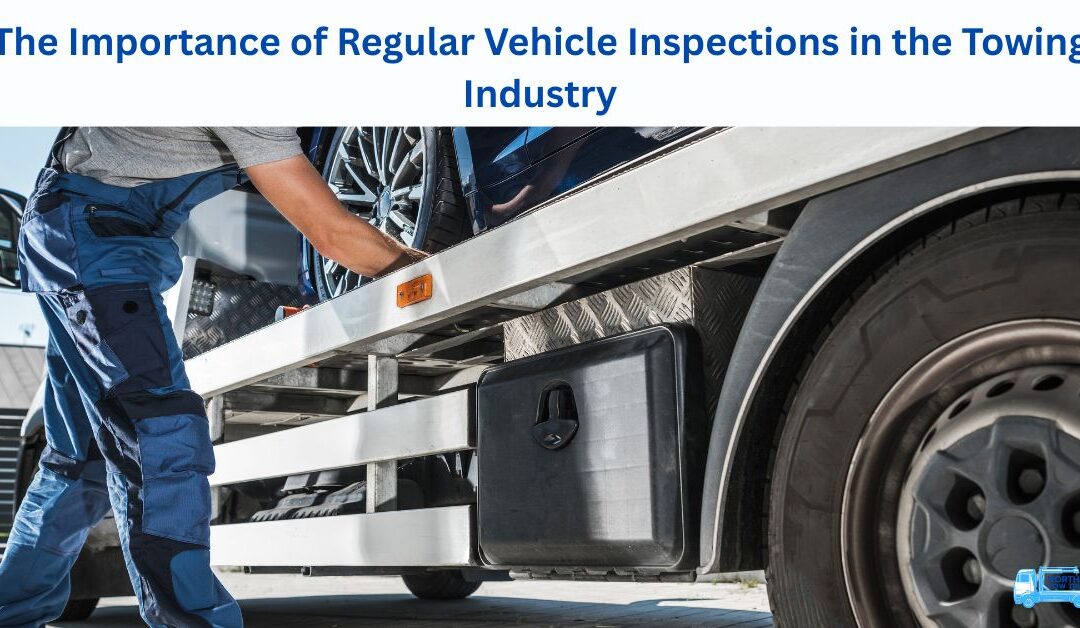
Tow trucks work under tough conditions, carrying heavy loads and responding to emergencies. This level of stress means that even small equipment failures can quickly lead to dangerous situations. Regular vehicle inspections ensure that the tow truck remains in safe working condition at all times. A well-maintained truck protects the operator, the vehicle being towed, and other road users. Inspections help identify issues early before they become major and costly repairs. The towing industry relies heavily on reliability, and breakdowns during service can damage a company’s reputation and cause delays. Consistent inspections keep tow trucks dependable and road-ready.
2. Key Mechanical Components That Require Attention
Several parts of a tow truck require routine inspection. The engine must be checked for leaks, fluid levels, belt tension, and unusual noises. The braking system is essential because tow trucks often need to stop while carrying heavy loads. Tires must also be inspected for tread depth, pressure, and potential damage. The hydraulic systems and winching equipment are also critical because they manage the actual towing function. If they fail, the operator may lose control of the load. Lighting systems, including hazard lights and beacons, must always function correctly to keep the operator visible on the road. Each inspection ensures these components stay reliable and safe.
3. Inspection Scheduling and Documentation
Tow truck companies benefit from structured inspection schedules. Daily walk-around checks help detect obvious damage or performance changes. Weekly and monthly inspections allow for a more thorough assessment of wear and tear. Recording inspection results creates a maintenance history that helps predict future repairs and track recurring problems. Documentation also protects towing companies legally. If an accident occurs, maintenance logs can prove the company took responsible safety measures. Organized inspections improve efficiency, reduce downtime, and keep trucks in the best working shape possible.
4. The Role of Trained Operators in Inspection
Tow truck drivers are the first line of defense in vehicle maintenance. They spend the most time operating the vehicle and are usually the first to notice abnormal handling, unusual noises, or reduced performance. Companies should train drivers to understand what to look for during inspections. Drivers who recognize early signs of mechanical issues can prevent costly failures. Training helps operators handle the truck more safely and treat equipment with care. Knowledgeable operators combined with scheduled inspections create a strong safety foundation within towing companies.
5. Long-Term Benefits of Regular Inspections
Consistent inspections extend the lifespan of tow trucks. Repairs are less expensive when caught early, and downtime is reduced significantly. Inspections help towing companies maintain good customer service because trucks remain reliable and available when needed. Safety improves, which reduces the risk of accidents and liability claims. Regular inspections are not just a regulatory requirement; they are an essential part of running a professional, trusted, and efficient towing operation. The companies that prioritize inspections are the ones that operate successfully and safely over the long term.
Northern Tow Trucks
620 Canning St
Carlton North VIC 3054
(03) 7064 2500