Tow truck operators work in one of the most dangerous environments in the transport industry. Every day, they operate on busy roads, highways, accident scenes, and poorly lit areas where traffic continues to move at high speeds. Because of this, safety gear is not optional but essential. Proper safety equipment protects tow truck operators from serious injuries, improves visibility, and allows them to perform their duties confidently and professionally. The importance of safety gear extends beyond personal protection, as it also helps prevent secondary accidents and ensures smoother towing operations. Understanding why safety gear matters can improve working conditions and reduce risks for everyone involved.
The Risks Tow Truck Operators Face Daily
Tow truck operators face multiple hazards every time they respond to a call. Working close to moving traffic puts them at risk of being struck by passing vehicles, especially during night-time operations or in bad weather. Accident scenes can be unpredictable, with damaged vehicles, leaking fluids, broken glass, and unstable debris creating dangerous conditions. Drivers involved in accidents may be distressed or distracted, further increasing the risk of sudden movements or unsafe behaviour around the tow truck.
Weather conditions also play a significant role in operator safety. Rain, fog, snow, or extreme heat reduce visibility and affect footing, making slips and falls more likely. Long working hours and roadside pressure can lead to fatigue, which further increases the chance of mistakes. Without proper safety gear, tow truck operators are exposed to serious injuries that could easily be prevented. Recognising these daily risks highlights why safety equipment is critical, not just recommended.
High-Visibility Clothing and Its Role in Roadside Safety
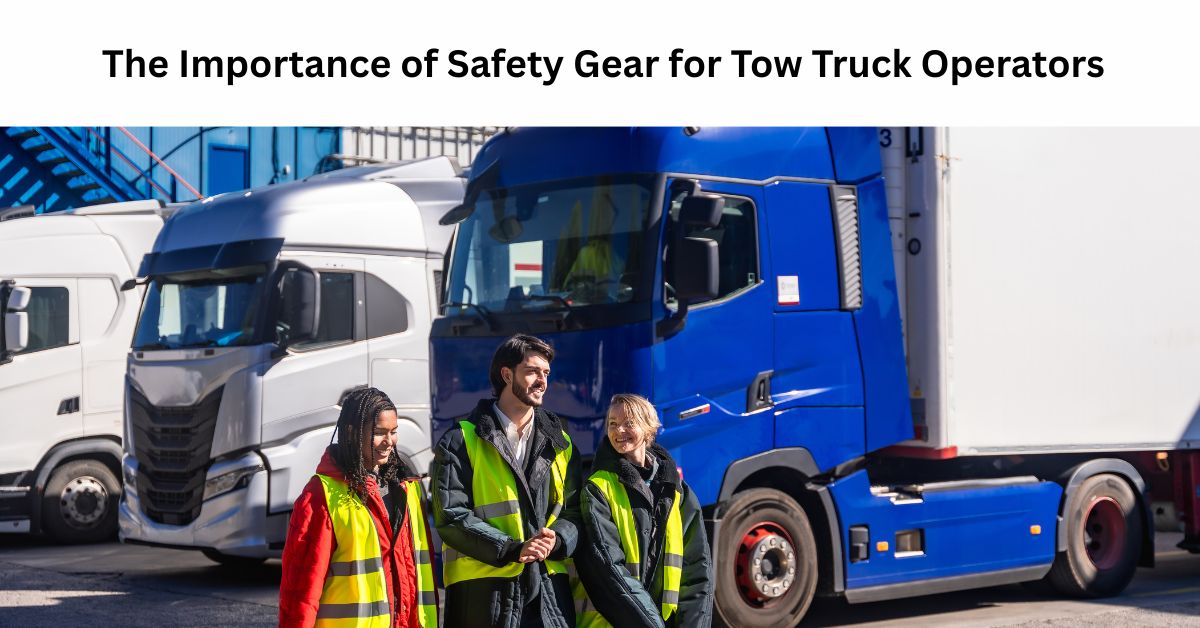
High-visibility clothing is one of the most important pieces of safety gear for tow truck operators. Reflective vests, jackets, and trousers make operators visible to approaching drivers, even from a distance. This visibility is especially important at night, during rain, or in low-light conditions such as early mornings or tunnels. Reflective materials catch headlights and alert drivers that someone is working on the roadside, giving them more time to slow down or change lanes.
High-visibility gear reduces the risk of operators blending into the background, which is a common cause of roadside accidents. Many incidents occur because drivers simply do not see the operator until it is too late. Wearing bright, reflective clothing creates a clear visual warning and establishes a safety buffer around the work area. For professional towing companies, high-visibility gear also reinforces a professional image, showing customers and authorities that safety is taken seriously.
Protective Gear That Prevents Injuries
Beyond visibility, tow truck operators rely on protective gear to prevent physical injuries. Steel-toe boots protect feet from heavy equipment, vehicle parts, and sudden drops. When working around winches, chains, and hydraulic systems, foot injuries are a real risk. Gloves are equally important, as they protect hands from cuts, burns, and abrasions while handling cables, hooks, and damaged vehicle components.
Hard hats and helmets are often necessary during vehicle recovery operations, especially when cars are overturned or positioned on unstable ground. These protect operators from falling debris or sudden shifts in vehicle position. Eye protection shields operators from dust, metal fragments, and fluid splashes, which are common at accident scenes. Wearing the right protective gear reduces injury risk, improves comfort, and allows operators to focus fully on performing the towing job safely.
Safety Gear for Adverse Weather and Night Operations
Weather-specific safety gear is crucial for tow truck operators who work in all conditions. Rain gear keeps operators dry and reduces the risk of slipping due to wet clothing. Insulated jackets and gloves help maintain body warmth during winter operations, preventing stiffness and reduced coordination. In hot conditions, breathable fabrics help regulate body temperature and prevent heat exhaustion.
Lighting equipment also plays a major role in night-time safety. Headlamps and portable work lights allow operators to see clearly while keeping their hands free. Tow trucks are usually equipped with flashing beacons and hazard lights, but personal lighting ensures operators remain visible even when moving away from the truck. Proper weather-appropriate gear allows operators to work efficiently without compromising safety, regardless of environmental conditions.
How Safety Gear Improves Professional Standards
Using proper safety gear not only protects operators but also improves overall industry standards. Customers feel more confident when they see operators wearing professional protective equipment, as it reflects training, preparedness, and reliability. Insurance providers and regulatory bodies often require specific safety standards to be met, and failing to comply can result in penalties or denied claims.
Safety gear also reduces downtime caused by injuries, keeping towing operations efficient and reliable. When operators are well-protected, they can perform tasks more confidently and accurately, reducing the risk of mistakes. Over time, consistent use of safety equipment creates a culture of responsibility and professionalism within towing companies. This culture benefits operators, customers, and the wider road community by reducing accidents and improving roadside safety.