The Challenges of Urban Towing
Towing vehicles in busy urban environments presents unique challenges compared to rural or highway towing. Congested streets, limited parking space, pedestrians, cyclists, and constant traffic require tow truck operators to be extra cautious and skilled. The risk of accidents, property damage, or delays is higher in cities, making safety protocols even more important. In urban towing, planning and precision are essential for both operator safety and efficiency.
Choosing the Right Towing Equipment
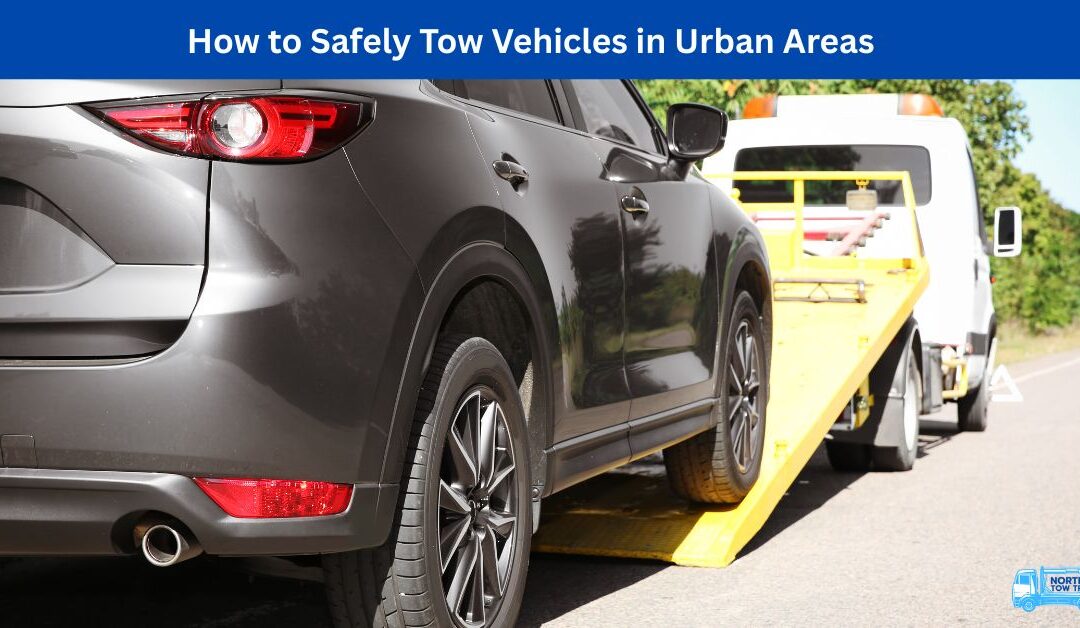
Not all tow trucks are suitable for navigating tight city streets. Flatbeds, wheel-lifts, and hook-and-chain trucks each have their pros and cons in urban settings. Operators must select the most appropriate vehicle for the job, considering the location, size of the disabled vehicle, and traffic conditions. Low-clearance tow trucks may be necessary for parking garages, while compact wheel-lift trucks can maneuver more easily in narrow lanes. Using the right equipment reduces the risk of damage to the towed vehicle and surrounding property.
Communication and Coordination
Urban towing often involves working with law enforcement, parking authorities, or private property owners. Effective communication ensures smooth operations and helps avoid conflicts. Operators should also keep in close contact with their dispatch team, especially when navigating through unpredictable traffic. Using GPS systems and traffic monitoring apps can help identify the fastest and safest routes, reducing time spent in high-risk traffic areas.
Managing Pedestrian and Cyclist Safety
In busy cities, tow truck operators must remain vigilant for pedestrians and cyclists, who can appear unexpectedly in blind spots. When operating in crowded areas, using hazard lights, wearing high-visibility clothing, and positioning safety cones can help alert others to the towing process. Patience is essential, as rushing to complete the job can increase the likelihood of accidents. Always follow city towing regulations, including proper vehicle signage, to maintain safety and compliance.
Parking and Loading in Tight Spaces
One of the trickiest aspects of urban towing is loading vehicles in limited spaces without obstructing traffic. Operators should position their truck to allow maximum clearance for passing vehicles and avoid blocking emergency access points. Using a spotter can be helpful when maneuvering in particularly tight areas. In some cases, temporary road closures may be required, which must be coordinated with local authorities.
Conclusion
Urban towing requires a combination of technical skill, patience, and awareness of the environment. By choosing the right equipment, maintaining clear communication, prioritising pedestrian safety, and mastering tight-space operations, tow truck operators can complete jobs efficiently and safely. These practices not only reduce risks but also enhance the company’s reputation in a competitive market where professionalism is key.
Northern Tow Trucks
620 Canning St
Carlton North VIC 3054
(03) 7064 2500