The tow truck industry is vital to road safety, accident recovery, and vehicle transport. However, because tow trucks deal with roadside emergencies, personal property, and public safety, the industry is heavily regulated. Compliance with industry regulations is not optional; it is essential for building trust, maintaining professionalism, and avoiding costly penalties. Tow truck operators and business owners must understand the laws that govern their work and implement practices that ensure adherence at every stage of their operations.
Understanding the Regulatory Landscape
Tow truck regulations vary by region, but they typically cover safety standards, licensing, insurance, and operational procedures. In many areas, operators must hold specialized licenses or certifications to prove their competence in handling heavy vehicles and roadside recovery. Regulations also define how companies can interact with clients, including rules around pricing transparency, vehicle release procedures, and handling disputes.
Beyond regional requirements, there are national or state-level laws that apply to commercial vehicles in general. These often include weight restrictions, roadworthiness inspections, and occupational health and safety obligations. For tow truck companies, compliance means not only meeting the basic requirements but also staying alert to changes in legislation. Ignorance of the law is not a defense, and failing to comply can damage both reputation and business sustainability.
Training and Certification for Operators
Compliance begins with the people operating the trucks. Tow truck drivers must undergo specialized training to ensure they can safely and legally handle their responsibilities. This training covers vehicle recovery techniques, use of towing equipment, accident scene management, and defensive driving. In many jurisdictions, drivers are required to obtain endorsements or certifications beyond a standard driver’s license to operate heavy-duty or specialized tow trucks.
Ongoing education is also critical. Regulations and best practices evolve, and operators must stay informed about updates. Companies can support compliance by investing in refresher training programs and encouraging employees to pursue industry-recognized certifications. A trained and certified workforce not only ensures compliance but also provides clients with greater confidence in the professionalism and reliability of the service.
Vehicle and Equipment Standards
Tow trucks themselves are subject to strict regulations to ensure they are safe and roadworthy. Regular inspections are often mandatory, covering essential elements such as brakes, lights, hydraulics, and winching systems. Trucks that do not meet these standards risk being taken off the road, creating costly downtime and potential fines.
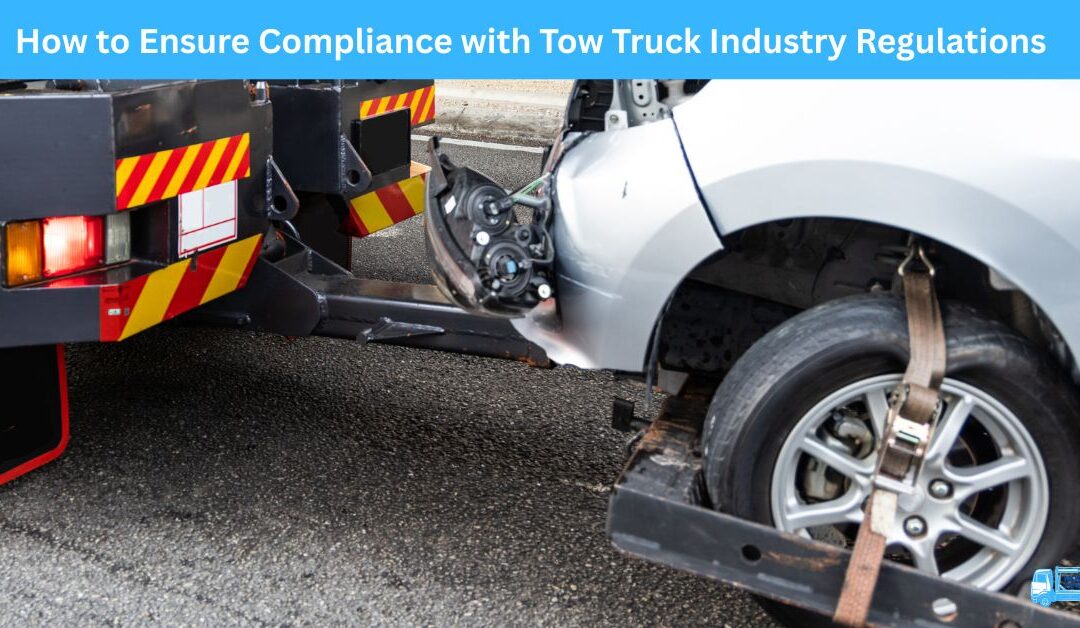
Equipment used in towing, such as straps, chains, and dollies, must also meet industry safety standards. Using worn or non-compliant equipment exposes both the operator and the public to unnecessary danger. By implementing a routine maintenance and inspection schedule, tow truck companies can identify potential issues before they become compliance violations. Documenting these checks further demonstrates a commitment to safety and adherence to regulations.
Insurance and Liability Coverage
Insurance is another cornerstone of compliance in the tow truck industry. Because towing involves handling customer property, operators must carry adequate liability insurance to protect against claims of damage or loss. Many jurisdictions require proof of insurance as a condition for licensing or permit approval.
Coverage should extend beyond basic liability to include protection for on-hook cargo, garage liability for impounded vehicles, and workers’ compensation for employees. Ensuring comprehensive insurance coverage not only fulfills regulatory requirements but also shields the company from financial risks in the event of accidents, damage, or legal disputes.
Transparent Business Practices
Regulations also govern the business side of towing operations. Many jurisdictions enforce rules requiring clear and upfront communication of fees, including towing rates, storage charges, and release procedures. Predatory pricing or hidden costs can result in regulatory penalties and damage to a company’s reputation.
Proper record-keeping is equally important. Towing companies are often required to maintain detailed logs of jobs, including the date, location, type of service, and charges. These records may be reviewed during inspections or in response to complaints, making accuracy and transparency essential. By adhering to fair business practices, tow truck companies demonstrate compliance while building trust with their customers and local authorities.
Staying Ahead of Industry Changes
Regulatory requirements are not static; they evolve as technology, safety standards, and public expectations change. For tow truck companies, staying compliant means actively monitoring industry updates. This can be achieved through membership in professional associations, participation in training seminars, and maintaining communication with regulatory bodies.
Companies that adopt new technologies, such as digital dispatch systems or vehicle tracking, often find it easier to meet compliance obligations. These tools improve record-keeping accuracy, enhance safety monitoring, and provide transparency for customers. Proactive adoption of best practices allows companies to stay ahead of regulatory changes instead of struggling to catch up after enforcement begins.
Conclusion
Compliance with tow truck industry regulations is not simply about avoiding penalties; it is about operating a safe, ethical, and professional business. By understanding the regulatory framework, investing in training, maintaining equipment standards, securing comprehensive insurance, and following transparent business practices, companies can thrive while fulfilling their legal obligations.
The tow truck industry plays a crucial role in public safety and roadside assistance, making regulatory compliance an essential part of every operation. Companies that prioritize compliance not only protect themselves from legal and financial risks but also build stronger reputations in the communities they serve. Ultimately, compliance ensures that every tow is performed with safety, fairness, and professionalism at its core.
Northern Tow Trucks
620 Canning St
Carlton North VIC 3054
(03) 7064 2500
google.com/maps/place/Northern+Tow+Trucks./@-37.6890585,144.99229,33775m/data=!3m2!1e3!4b1!4m6!3m5!1s0xfbe1b1b7d5101d5:0x98325ccab22c348b!8m2!3d-37.6890585!4d144.99229!16s%2Fg%2F11sx0k_ntd?entry=ttu&g_ep=EgoyMDI1MDkxNy4wIKXMDSoASAFQAw%3D%3D