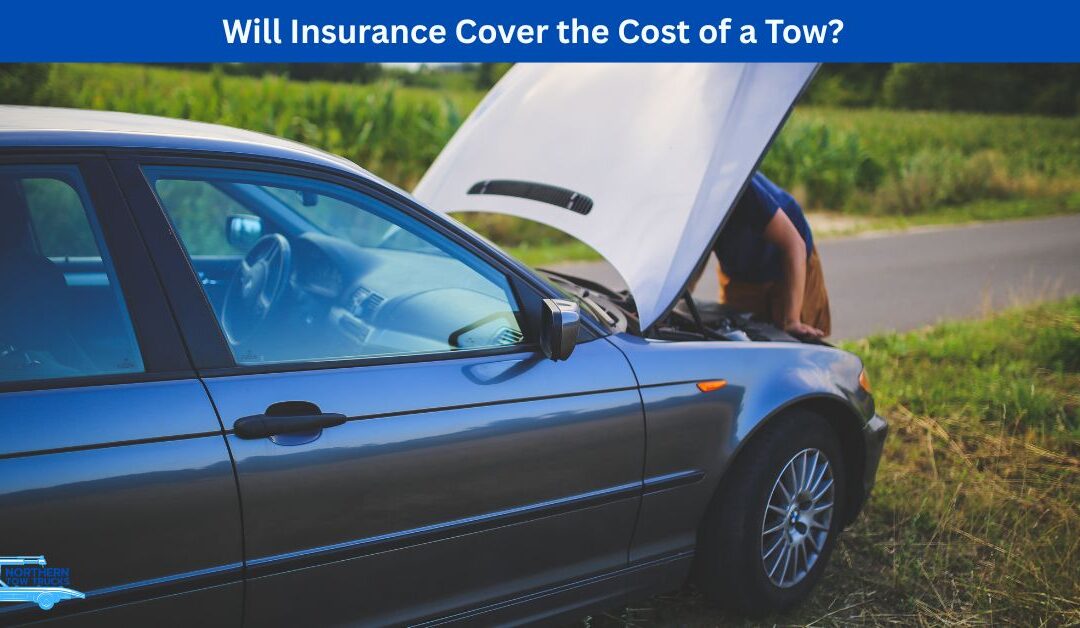
When your vehicle breaks down or is involved in an accident, one of the first concerns that comes to mind is the cost of towing. Many drivers are unsure whether their insurance policy will cover these expenses or if they will need to pay out of pocket. The answer depends on several factors, including the type of insurance coverage you have and the situation surrounding the tow. Understanding how towing coverage works can help you avoid unexpected costs and make informed decisions during roadside emergencies.
Types of Insurance That May Cover Towing
Not all car insurance policies automatically include towing coverage. In most cases, towing is covered under optional add-ons rather than standard policies. One of the most common options is roadside assistance coverage, which often includes towing as part of its benefits.
Comprehensive and collision insurance may also cover towing costs, but only under specific circumstances. For example, if your vehicle is damaged in an accident, your insurance provider may pay for towing it to a repair facility. However, if your car simply breaks down due to mechanical failure, these policies usually do not apply.
It is important to review your insurance policy carefully to understand what is included. Knowing your coverage in advance can save time and stress when you need help.
Roadside Assistance Add-Ons
Roadside assistance is one of the most reliable ways to ensure towing costs are covered. This optional add-on typically includes services such as towing, battery jumpstarts, flat tire changes, and fuel delivery.
If your policy includes roadside assistance, the insurer will usually cover towing up to a certain distance or cost limit. For example, they may tow your vehicle to the nearest repair shop or a location of your choice within a specified range.
Some insurance companies partner with towing providers, making it easy to request help through their service network. In other cases, you may need to pay upfront and then file a reimbursement claim.
Adding roadside assistance to your policy is often affordable and provides peace of mind for unexpected situations.
Situations Where Towing Is Covered
Insurance coverage for towing depends heavily on the reason for the tow. If your vehicle is involved in an accident, towing is typically covered under collision insurance. Similarly, if your car is damaged by events like theft, fire, or natural disasters, comprehensive coverage may include towing costs.
However, if your vehicle breaks down due to mechanical issues, such as engine failure or a dead battery, towing is usually only covered if you have roadside assistance. Without this add-on, you may need to pay for the service yourself.
Understanding these distinctions is important because it helps you know when you can rely on insurance and when you should be prepared for out-of-pocket expenses.
Limits and Conditions of Towing Coverage
Even when towing is covered, there are often limits and conditions you should be aware of. Insurance policies may set a maximum distance for towing or a cap on the total cost they will pay. If the towing service exceeds these limits, you will be responsible for the remaining balance.
Some policies also require you to use approved service providers. Choosing a towing company outside of the insurer’s network could result in reduced coverage or no reimbursement at all.
Additionally, coverage may vary depending on your location and the specific terms of your policy. Reading the fine print and asking your insurance provider for clarification can help you avoid surprises.
Being aware of these limitations ensures that you can use your coverage effectively when needed.
How to File a Towing Claim
If your insurance covers towing, you may need to follow a specific process to file a claim. In many cases, you can contact your insurance provider directly, and they will arrange the towing service for you.
If you arrange the tow yourself, keep all receipts and documentation. These will be required when submitting a reimbursement claim. Make sure to provide accurate details about the incident, including the reason for the tow and the location.
Some insurance companies offer mobile apps or online portals to simplify the claims process. Using these tools can speed up reimbursement and reduce paperwork.
Knowing how to file a claim in advance can make the process smoother and less stressful during an already difficult situation.
Conclusion
Whether insurance covers the cost of a tow depends on your policy and the circumstances of the situation. While standard insurance may cover towing after accidents or specific incidents, roadside assistance add-ons provide the most comprehensive support for everyday breakdowns.
Understanding your coverage, including its limits and conditions, helps you avoid unexpected expenses and make better decisions during emergencies. Taking the time to review your policy and consider additional coverage options can provide valuable peace of mind.
In the end, being informed about your insurance ensures that you are prepared for the unexpected and can handle towing situations with confidence. 🚗
Northern Tow Trucks
620 Canning St
Carlton North VIC 3054
(03) 7064 2500