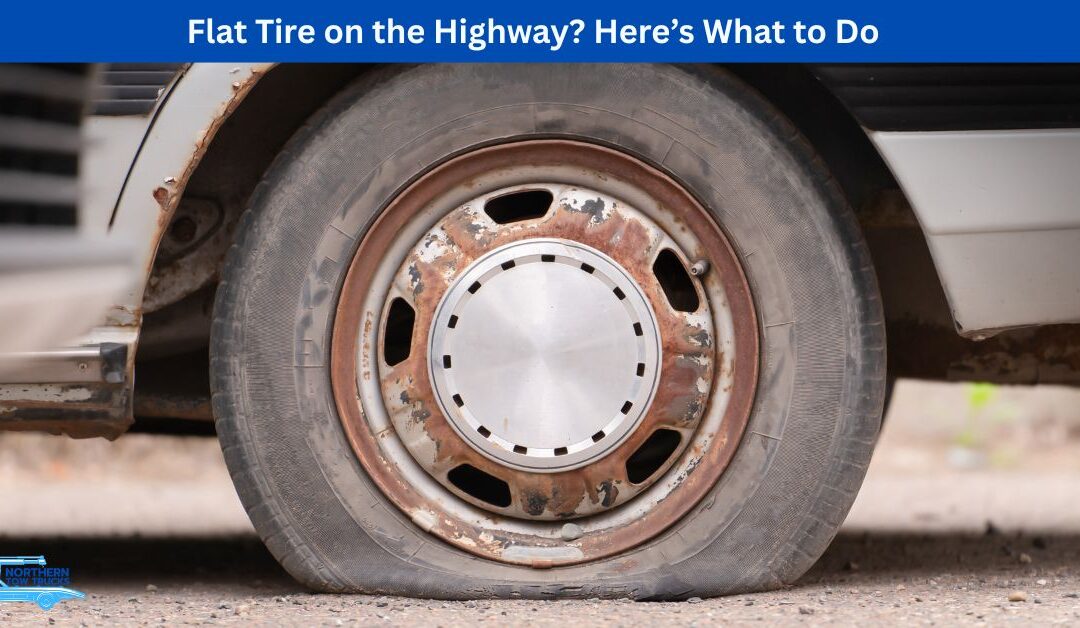
A flat tire on the highway can be a stressful and dangerous experience. With vehicles moving at high speeds and limited space on the roadside, even a simple tire issue can quickly turn into a risky situation. Knowing what to do in this moment is essential for your safety and the safety of others. Acting quickly, staying calm, and following the correct steps can help you handle the situation effectively. Whether you plan to change the tire yourself or call for roadside assistance, understanding the right approach can make a big difference.
Stay Calm and Maintain Control of the Vehicle
The moment you realize you have a flat tire, your first priority should be maintaining control of your vehicle. A sudden tire blowout can cause the car to pull to one side, making it difficult to steer. It is important not to panic or make sudden movements.
Keep a firm grip on the steering wheel and gradually ease your foot off the accelerator. Avoid slamming on the brakes, as this can cause the vehicle to lose control. Instead, allow the car to slow down naturally while maintaining a straight path.
Once your speed has decreased, gently guide the vehicle toward the side of the road. Staying calm during these first few moments is crucial to avoiding accidents and ensuring you can move to a safer location.
Pull Over to a Safe Location
After regaining control of the vehicle, the next step is to pull over safely. On a highway, this usually means moving to the shoulder or an emergency stopping lane. The goal is to get as far away from moving traffic as possible.
Choose a flat and stable area if available, as this will make it easier and safer to change the tire if needed. Avoid stopping on curves or near hills where other drivers may not see your vehicle in time.
Once you have stopped, turn on your hazard lights immediately. This alerts other drivers that your vehicle is not moving and encourages them to slow down or change lanes. If you have reflective warning triangles, placing them behind your car can provide additional visibility.
Positioning your vehicle correctly is one of the most important steps in ensuring your safety during a highway tire emergency.
Decide Whether to Change the Tire or Call for Help
Once your vehicle is safely parked, you need to decide whether to change the tire yourself or call for roadside assistance. This decision depends on your experience, the tools you have, and the surrounding conditions.
If you are confident in changing a tire and have the necessary tools, such as a jack, lug wrench, and spare tire, you may choose to handle it yourself. However, changing a tire on a highway can be dangerous due to passing traffic, so you should only proceed if it is safe.
If you are unsure, feel uncomfortable, or are in a high-traffic area, calling for roadside assistance is the better option. Professional technicians can replace the tire quickly and safely, reducing the risk of injury.
Choosing the safest option is more important than trying to solve the problem quickly.
Follow Safe Tire Changing Procedures
If you decide to change the tire yourself, it is important to follow proper safety procedures. First, ensure the vehicle is completely stopped and the parking brake is engaged. This prevents the car from rolling during the process.
Place the jack under the correct lifting point of the vehicle and raise it slowly. Remove the lug nuts carefully and take off the damaged tire. Then, position the spare tire and tighten the lug nuts securely.
After lowering the vehicle back to the ground, double-check that all lug nuts are tightened properly. Keep in mind that spare tires are often temporary and should only be used to reach a repair shop.
Throughout the process, remain aware of your surroundings. Passing vehicles can create strong air pressure, so it is important to stay alert and work quickly but safely.
Stay Safe While Waiting for Assistance
If you choose to call for help, your safety remains the top priority while waiting. If possible, exit the vehicle and move to a safe area away from traffic, such as behind a guardrail. Standing too close to the road can be dangerous, especially on busy highways.
If it is not safe to leave the vehicle, stay inside with your seatbelt fastened and keep your hazard lights on. Make sure you are visible to other drivers at all times.
Keep your phone nearby so you can communicate with the roadside assistance provider or tow truck driver. Providing clear information about your location will help them reach you faster.
Staying patient and alert while waiting ensures that the situation does not become more dangerous.
Conclusion
A flat tire on the highway can be a challenging situation, but knowing what to do can help you handle it safely. Staying calm, maintaining control of your vehicle, and pulling over to a safe location are the first critical steps. From there, deciding whether to change the tire or call for help ensures the problem is handled in the safest way possible.
Whether you fix the issue yourself or rely on roadside assistance, your safety should always come first. By following the correct procedures and staying aware of your surroundings, you can manage a flat tire situation with confidence and reduce the risks associated with highway breakdowns.
Northern Tow Trucks
620 Canning St
Carlton North VIC 3054